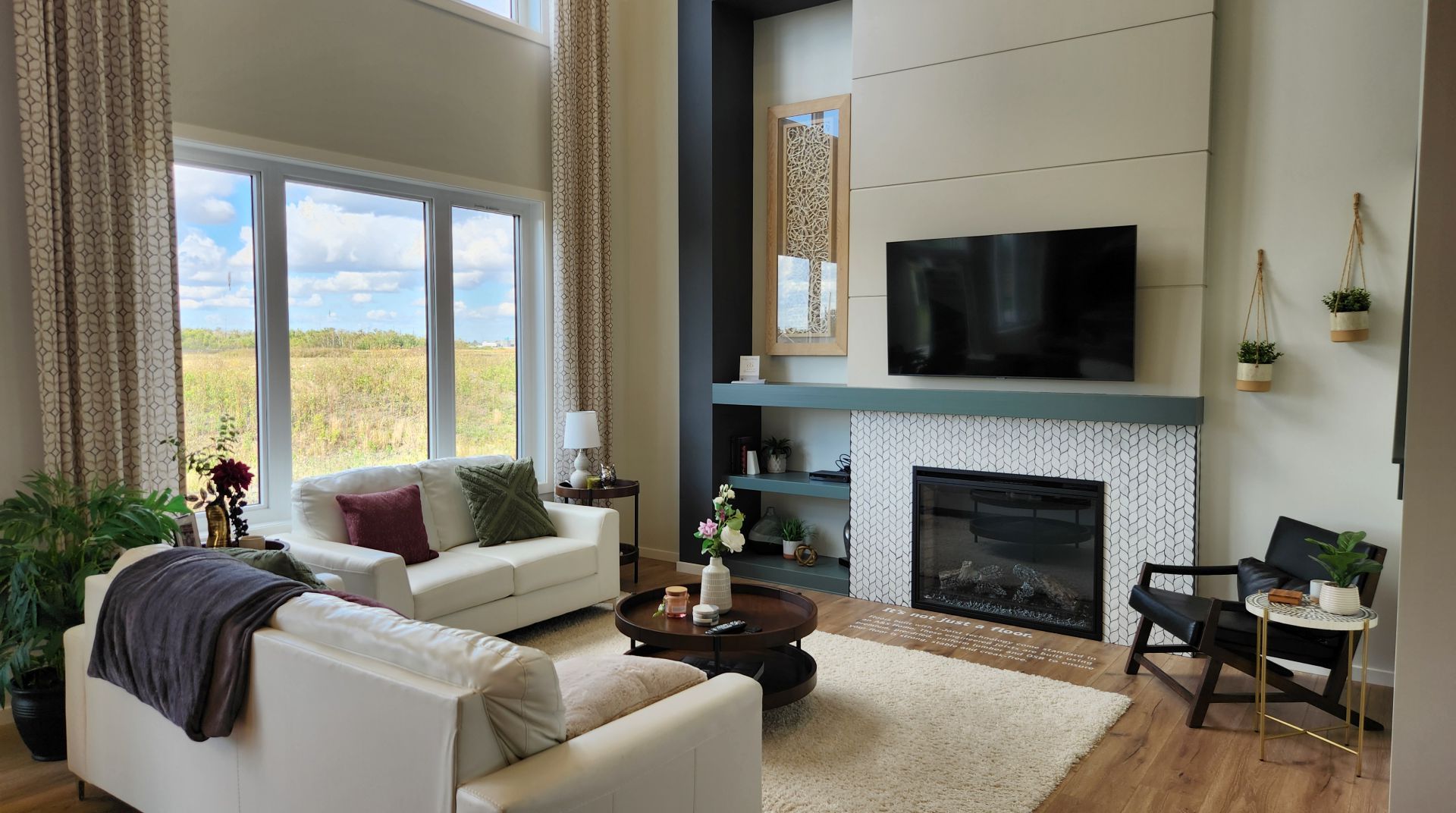
Coming Soon!
We're moving to our new home at 486 Academy Road in River Heights. Discover new displays, fresh inspiration, and the same thoughtfully curated collection. We look forward to welcoming you! |  Call Us

Author: Karen

  • Creating Homes That Tell Your Story

    Creating Homes That Tell Your Story

    Creating Homes That Tell Your Story

    Curated. Considered. Home.

    In a world of fast furniture and trend-driven interiors, creating a home that feels truly personal has become increasingly rare.

    The most beautiful spaces are not created from impulse purchases or copied inspiration photos. They are thoughtfully layered over time with intention, craftsmanship, and pieces that reflect the people who live within them.

    A home should not simply look beautiful.

    It should feel like you.

    At Addie Birch, we believe your home should feel as considered as it looks. From our curated showroom in River Heights, Winnipeg, we help homeowners and designers create elevated spaces that feel warm, cohesive, and deeply personal.

    Our philosophy is simple:

    A well-designed home tells a story.

    Not someone else’s story.

    Yours.


    Why Thoughtful Interior Design Matters More Than Ever

    A home is more than a collection of furniture. It is where we gather with family, welcome friends, relax after a busy day, and create memories.

    The right environment can bring a sense of calm, comfort, and connection to everyday life. But creating that feeling requires more than choosing attractive pieces.

    It requires intention.

    Thoughtful interior design considers how a room functions, how furniture works together, and how every element contributes to the overall feeling of the space.

    Whether you are furnishing an entire home, redesigning a single room, or simply refining the finishing details, thoughtful guidance can transform overwhelming decisions into a clear and cohesive vision.

    A beautifully designed home is not about following every trend.

    It is about creating spaces that support the way you live.


    The Elements That Create a Home That Feels Personal

    The most memorable interiors rarely feel decorated all at once.

    They feel collected.

    They reflect personal experiences, meaningful pieces, favourite materials, and thoughtful choices made over time.

    Creating this feeling comes from balancing several important design elements.

    Start With How You Live

    Before selecting furniture, consider how your home needs to function.

    Do you love entertaining friends and family? Do you need comfortable seating for everyday relaxation? Do you work from home and need flexible spaces that serve multiple purposes?

    Furniture should be chosen around your lifestyle — not simply around appearance.

    A beautiful sofa that does not provide the right comfort or fit the way you live will never feel completely right.

    The best spaces begin with understanding how they will be used.


    Choose Furniture With Intention

    Furniture is one of the largest investments in your home, and the right pieces should offer both beauty and longevity.

    Quality furniture brings together:

    • thoughtful proportions
    • craftsmanship
    • comfortable materials
    • timeless design
    • personalization options

    The goal is not to fill a room.

    The goal is to create a space where every piece has a purpose.

    At Addie Birch, we carefully curate furniture and accessories that bring warmth, character, and lasting style into every home.

    Many of our furnishings can also be customized in fabric, finish, material, and scale, allowing homeowners to create pieces that truly reflect their lifestyle.


    Creating Balance Through Scale, Layout, and Flow

    One of the biggest challenges homeowners face is not finding beautiful furniture — it is making everything work together harmoniously.

    A sofa may look perfect online but feel oversized once placed in the room. Accent chairs may be beautiful individually but feel disconnected from the surrounding furniture. Accessories can quickly create clutter instead of balance.

    Professional design considers the relationship between every element.

    This includes:

    • furniture proportions
    • room dimensions
    • walking pathways
    • seating arrangements
    • visual balance
    • connection between spaces

    A well-planned room should feel comfortable and natural from the moment you enter.

    Through our interior design and styling services, we help homeowners make confident decisions that create rooms that feel intentional and effortless.


    Layering Texture, Materials, and Finishing Details

    The difference between a room that feels finished and one that feels incomplete often comes down to the layers.

    Texture creates warmth.

    Natural materials create depth.

    Lighting creates atmosphere.

    Accessories add personality.

    A thoughtfully designed room combines elements such as:

    • upholstered furniture
    • area rugs
    • lighting
    • artwork
    • decorative accessories
    • natural materials
    • textiles

    These details transform a collection of furniture into a home.

    The finishing touches are often what make a space feel uniquely yours.


    Furniture Should Feel Personal — Not Mass Produced

    One of the defining qualities of a beautifully designed home is individuality.

    The most memorable interiors feel collected rather than copied. They combine texture, scale, craftsmanship, and subtle contrast in ways that feel natural and deeply lived in.

    Explore our curated collections designed around different moods and ways of living:

    Warm Contemporary Living

    Inviting spaces layered with texture, softness, and modern comfort.

    Scandinavian Calm Living

    Light, balanced interiors rooted in simplicity, function, and natural beauty.

    Timeless Classic Living

    Enduring design with elegant details and refined character.

    Organic Modern Living

    Clean contemporary forms softened by natural materials and warmth.

    Meaningful design is never about excess.

    It is about thoughtful details, quality craftsmanship, and creating spaces that feel authentic to the people who live in them.


    Creating Cohesive Spaces Through Expert Guidance

    One of the biggest challenges homeowners face is not finding beautiful furniture — it is making everything work together harmoniously within a room.

    A sofa may appear perfect online but overwhelm the space once delivered. Accent chairs may feel disconnected from surrounding finishes. Accessories can easily create visual clutter instead of balance.

    This is where professional guidance becomes invaluable.

    Through our Interior Design & Styling Services, we help simplify the design process while ensuring every room feels intentional and connected.

    We assist clients with:

    • Furniture placement plans
    • Room flow and layout optimization
    • Scale and sizing recommendations
    • Styling bookshelves and accessories
    • Fabric and finish selections
    • Layering textures and materials
    • Creating cohesive transitions between spaces

    Every recommendation is rooted in helping clients create homes that feel welcoming, functional, and beautifully lived in.


    A Unique Showroom Experience in Winnipeg

    There is something irreplaceable about experiencing furniture in person.

    Seeing the scale of a sofa within a room. Feeling the texture of fabric. Understanding how materials interact with natural light. Appreciating craftsmanship up close.

    That is why we created a curated showroom experience in River Heights, Winnipeg — a space designed to inspire thoughtful living and help clients visualize what is possible within their own homes.

    Unlike large retail environments, our showroom is intentionally curated to feel warm, approachable, and elevated.

    Every display is layered to inspire ideas for real homes and everyday living.

    We invite you to slow down, explore thoughtfully, and discover pieces that genuinely resonate with your personal style.


    A Trusted Resource for Interior Designers

    We are proud to collaborate with interior designers throughout Winnipeg and beyond.

    Our showroom serves as a trusted resource for designers seeking refined furnishings, customizable pieces, and expert support for their projects.

    Designers are welcome to bring clients into the showroom and work alongside our team to finalize:

    • furniture selections
    • layouts
    • scale considerations
    • fabrics and materials
    • finishing details

    Exceptional design lives in the details, and we are passionate about helping bring those details together seamlessly.


    Designing Homes That Feel Beautifully Lived In

    The most inviting homes are rarely the most perfect.

    They are the homes that feel layered, welcoming, personal, and intentional.

    They evolve naturally over time while remaining grounded in quality, comfort, and thoughtful design.

    At Addie Birch, we believe every room should support the way you want to live — comfortably, beautifully, and authentically.

    Whether you are searching for a single statement piece, furnishing a new build, or looking for guidance to bring your entire home together, we are here to help you create spaces that feel elevated and uniquely yours.


    Visit Addie Birch in River Heights

    Experience our curated furniture collections, personalized design guidance, and boutique showroom atmosphere in person.

    Visit Our Showroom


    Start Your Design Journey

    Ready to create a home that feels intentional, refined, and beautifully lived in?

    Our team would love to help guide your project — whether you need furniture planning, styling support, custom furniture, or assistance selecting the perfect finishing details.

    Contact Addie Birch Today
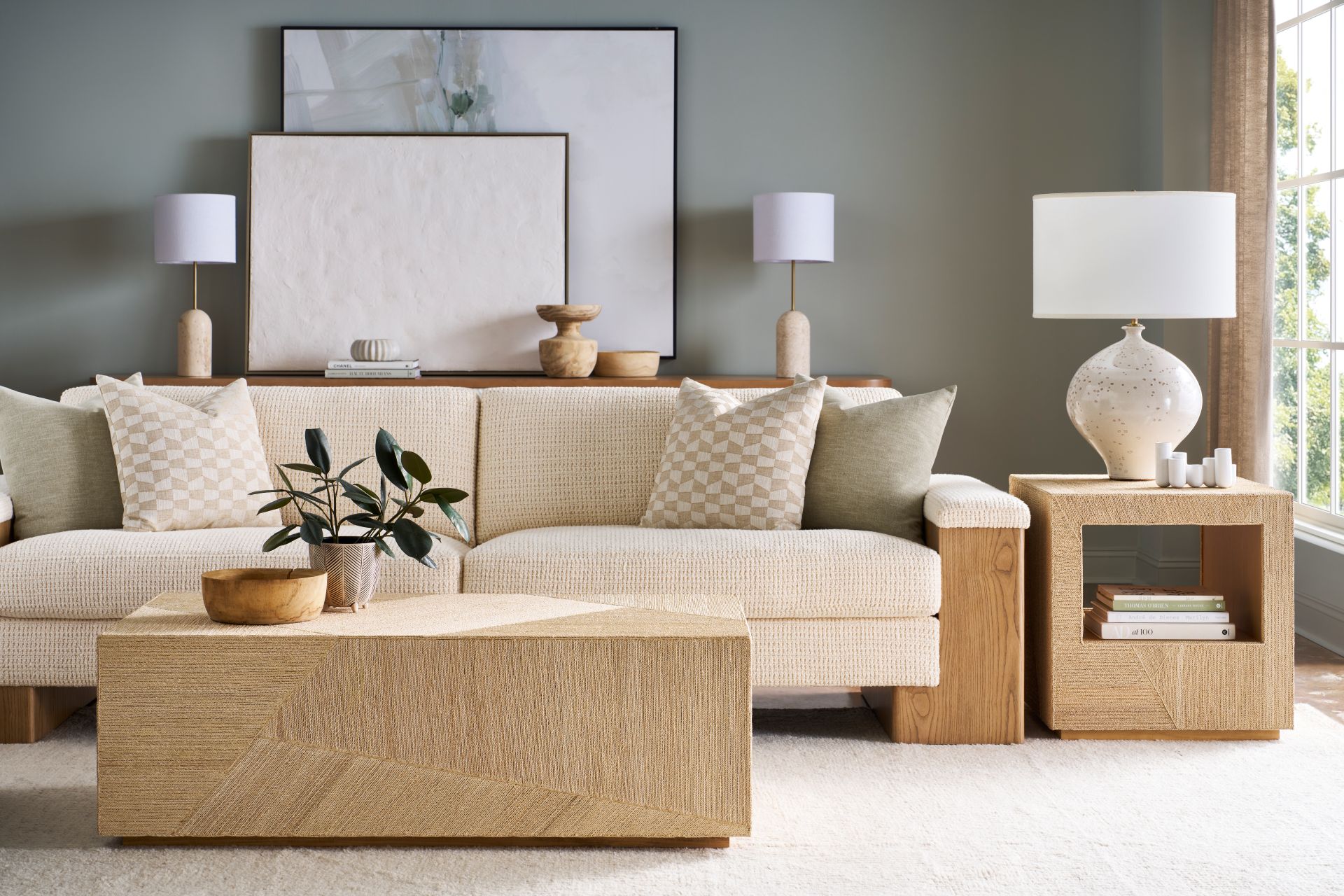
  • How to Choose the Right Size Sofa for Your Space (part 1)

    How to Choose the Right Size Sofa for Your Space (part 1)

    How to Choose the Right Size Sofa for Your Space (part 1)

    A Designer’s Guide to Finding the Perfect Fit for Comfort, Style, and Everyday Living

    Your sofa is more than just a piece of furniture.

    It is where family gathers after a long day, where friends settle in over coffee, where movie nights unfold, and where quiet moments happen with a good book or a favourite blanket.

    Because a sofa is often the largest piece of furniture in your living room—and one you will likely enjoy for many years—choosing the right one deserves more thought than simply finding a style or fabric you love.

    The most successful rooms are not created by choosing the biggest sofa that fits or following the latest trend. They are created by selecting furniture with the right proportions for the space and the people who use it.

    A sofa that is too large can make a room feel crowded and difficult to move through. A sofa that is too small can leave a room feeling disconnected and unfinished. Even a beautiful sofa may not feel comfortable if the seat depth or height does not suit your lifestyle.

    The good news?

    Choosing the right sofa size does not have to be complicated.

    With a little planning and an understanding of sofa dimensions, you can select a piece that feels balanced, comfortable, and perfectly suited to your home.

    At Addie Birch, we believe furniture should not only look beautiful—it should support the way you live. This guide will help you understand the measurements that matter, how to plan your space, and what to consider before making one of the most important furniture decisions in your home.


    Why Sofa Size Matters More Than You Think

    When homeowners begin searching for a new sofa, the first things they often consider are:

    • Colour
    • Fabric
    • Style
    • Shape

    These are important, but experienced designers begin somewhere else.

    They consider:

    How will this sofa function in the room?

    A well-designed living space considers:

    • How people move through the room.
    • How many people need seating.
    • Whether the sofa is used for entertaining or everyday relaxation.
    • How the furniture relates to windows, architecture, and other pieces.
    • How comfortable the sofa feels after hours of use.

    A sofa establishes the scale and feeling of the entire room.

    When the size is right:

    ✓ The room feels balanced.

    ✓ Furniture feels intentional.

    ✓ Walkways feel natural.

    ✓ Conversations happen more comfortably.

    ✓ The space feels welcoming rather than crowded.

    Designer Insight: Bigger Is Not Always Better

    One of the most common mistakes homeowners make is purchasing the largest sofa that will fit along a wall.

    While a large sofa may seem luxurious, it can overwhelm the room and leave little space for movement.

    Professional designers often allow some breathing room around furniture. A small amount of visible space around a sofa can make the entire room feel larger, lighter, and more thoughtfully designed.

    Good design is not about filling every inch.

    It is about creating balance.

    Before You Shop: Understand How You Live

    Before looking at sofa styles, think about how your household uses the space.

    Ask yourself:

    Is this your everyday living room?

    If so, comfort and durability may be your highest priorities.

    Do you entertain often?

    You may want a sofa arrangement that encourages conversation and allows multiple people to sit comfortably.

    Does anyone enjoy lounging?

    A deeper sofa with generous seating may be ideal.

    Are children or pets part of your household?

    Fabric selection, cushion construction, and durability become especially important.

    Do different people have different comfort needs?

    Seat depth and height can make a significant difference between a sofa that looks beautiful and one that feels comfortable every day.

    There is no single perfect sofa size.

    There is only the right sofa size for your home and your lifestyle.


    Understanding Sofa Measurements

    Furniture specifications can sometimes feel overwhelming because there are several different measurements to consider.

    Understanding the basics will make comparing sofas much easier.

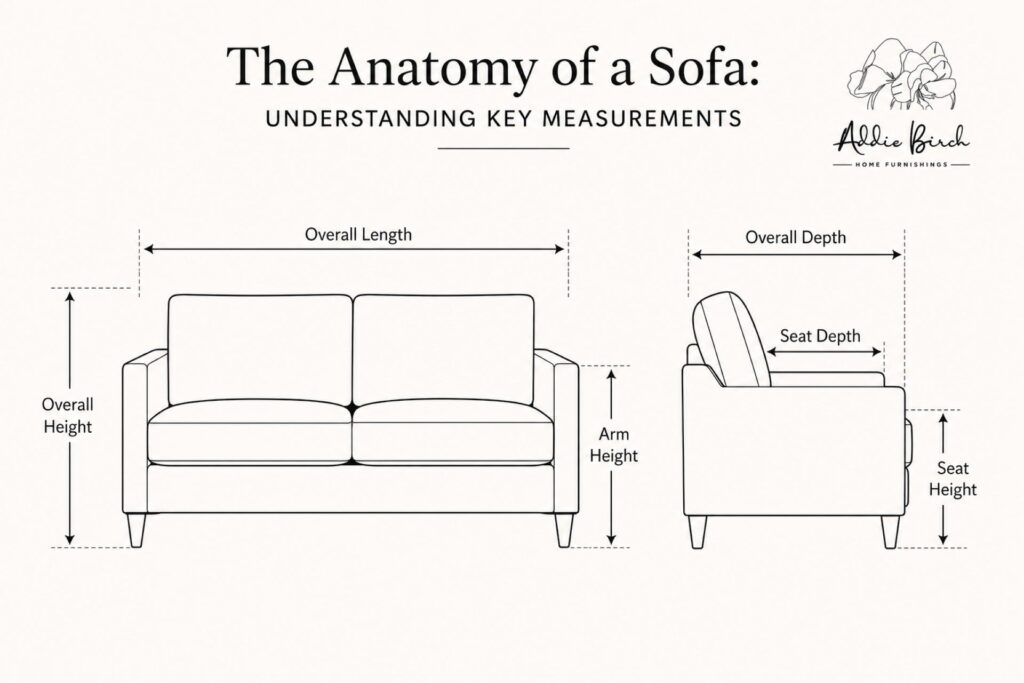
    Create a clean, minimalist line drawing showing a sofa from the front and side view.

    Primary Sofa Measurements

    Sofa Length

    Sofa length measures from the outside edge of one arm to the outside edge of the opposite arm.

    This measurement determines how much seating the sofa provides and how much visual space it occupies.

    Most standard three-person sofas range between 71 and 86 inches, with 84 inches being one of the most common sizes.

    General Sofa Length Guide

    Sofa LengthBest Suited For
    48-72 inchesLove seat, made for small spaces or one to two people.
    70–80 inchesCondos, apartments, smaller living rooms
    72-96 inchesStandard 3 seater for family rooms, fitting medium rooms. (84″ is most common)
    90-118 inchesLarge 4 seater for larger living spaces and open-concept homes
    94-156+ inchesSectionals for Great rooms and expansive spaces

    The best sofa isn’t necessarily the longest one—it’s the one that’s proportionate to the room around it. Professional designers consider how the sofa relates to the entire space, including coffee tables, accent chairs, walkways, and surrounding architecture. Leaving a little breathing room around your furniture often makes a room feel larger, more elegant, and more comfortable to live in.

    Sofa Depth

    Sofa depth measures from the front edge of the sofa to the back.

    Most sofas range between 32 and 40 inches deep, with approximately 35 inches considered standard.

    Depth affects both comfort and the overall feeling of a room.

    Shallower Sofas

    A shallower sofa typically creates:

    • A lighter, more open appearance
    • A tailored, refined look
    • An upright, supportive sitting position
    • Better conversation seating
    • More visual space in smaller rooms

    They work well in:

    • Condos and apartments
    • Smaller living rooms
    • Formal living rooms
    • Conversation areas
    • Homes with narrower floor plans
    • Modern, Scandinavian, and transitional interiors

    Deeper Sofas

    A deeper sofa typically creates:

    • A relaxed, casual atmosphere
    • A cozy, inviting feel
    • A luxurious, lounge-like experience
    • A more substantial visual presence
    • Greater comfort for stretching out

    They work well in:

    • Family rooms
    • Media and TV rooms
    • Large open-concept spaces
    • Great rooms
    • Homes with taller occupants
    • Contemporary and relaxed interiors

    Designer Insight

    A sofa’s depth influences more than comfort—it shapes the entire personality of a room. Shallower sofas encourage conversation and create a lighter, more tailored look, while deeper sofas invite you to relax, stretch out, and stay awhile. Neither is better than the other; the right choice depends on how you want your space to feel and how you live in it.

    Sofa Height

    Sofa height measures from the floor to the highest point of the back. Most sofas range between 26 and 36 inches high.

    While height may seem like a small detail, it has a significant impact on both the look of your room and the comfort of your seating. The right choice depends on your home’s architecture, your personal style, and how you use the space.

    Lower-Back Sofas

    Lower-back sofas often create:

    • A clean, modern aesthetic
    • Open sightlines that make a room feel larger
    • A lighter, more spacious appearance
    • A relaxed, contemporary feel

    They work well in:

    • Smaller living rooms
    • Open-concept homes
    • Spaces with large windows or scenic views
    • Modern, Scandinavian, and minimalist interiors
    • Rooms where maintaining an open, airy feeling is a priority

    Higher-Back Sofas

    Higher-back sofas often create:

    • A cozy, inviting atmosphere
    • Greater back and shoulder support
    • A classic, timeless appearance
    • A stronger visual presence that anchors larger spaces

    They work well in:

    • Family rooms
    • Traditional and transitional interiors
    • Homes with higher ceilings
    • Larger living rooms and great rooms
    • Spaces where comfort and extended seating are priorities

    Designer Insight

    Your sofa should feel proportionate to the room around it. A low-profile sofa can help a compact room feel open and uncluttered, while a taller sofa can add warmth, presence, and balance to rooms with high ceilings or expansive walls.

    When selecting sofa height, consider not only how it looks on its own, but how it relates to your windows, artwork, shelving, and the overall architecture of your home. The most successful interiors achieve a sense of harmony by balancing the scale of every element in the room.


    The Measurements That Matter Most for Comfort

    While the outside dimensions determine whether a sofa fits your room, two measurements determine whether it fits the people who use it.


    Seat Depth: Finding Your Comfort Zone

    This measurement has one of the biggest impacts on everyday comfort.

    The standard sofa depth is the distance from the front of the seat cushion to the backrest and typically ranges from 21 to 24 inches. It’s the number that dictates whether you can curl up comfortably or whether your knees hit the edge before your back meets the cushion.

    How do I choose the right seat depth for my body?

    Start with the back-of-knee test. Sit fully back against the sofa with your spine supported. The front edge should fall approximately two to three inches before the back of your knees. This gap prevents uncomfortable pressure during longer sitting sessions.

    By height:

    • Under 5’4″: 18-21 inches
    • 5’4″ to 5’10”: 21-24 inches
    • Over 5’10”: 24-28 inches

    Seat Depth Guide

    Seat Depth CategoryMeasure RangeBest For
    Shallow Depth18 – 21 inchesPetite frames, formal sitting, small spaces
    Standard Sofa Depth21 – 24 inchesMost body types, balanced sitting, and lounging
    Deep Depth24 – 28 inchesTaller individuals, casual lounging
    Extra Deep Depth29+ inchesFull-body lounging, napping, relaxed living

    How does seat depth affect my comfort?

    When depth is too generous for your frame, you face an impossible choice: lean back and let your feet dangle, or perch forward on the edge, abandoning the backrest entirely. Neither feels like home.

    People unconsciously pile throw pillows behind their backs, creating a makeshift solution to a depth problem. But, if you find yourself constantly adjusting pillows to feel comfortable, your sofa’s depth might be working against you.


    Designer Insight

    There is no universally perfect seat depth.

    A sofa that feels incredibly comfortable to someone who is six feet tall may feel awkward to someone who is much shorter.

    Body type tells only part of the story. Your sitting style matters equally. If you sit cross-legged, you’ll need extra depth. If you prefer an upright posture while reading, a shallower depth keeps you supported without encouraging slouch.

    This is one reason custom furniture can be so valuable—it allows you to choose proportions that work specifically for your household.


    Suggested Photo Placement

    A person comfortably seated on a deep sofa with their feet resting naturally on the floor. The photo should demonstrate comfort rather than simply showcase the furniture.


    Seat Height: The Often-Overlooked Measurement

    Seat height measures from the floor to the top of the seat cushion.

    Most sofas range between 17 and 19 inches high.

    Seat height affects:

    • How easily you sit down and stand up.
    • Whether your feet comfortably touch the floor.
    • Your overall sitting posture.
    Seat HeightCharacteristics
    Low (15-17″)Casual aesthetic; harder to exit
    Standard (17-19″)Universal comfort; easy movement
    High (19-21″)Easiest entry/exit; formal feel

    Taller individuals often prefer a slightly higher seat.

    Shorter individuals often feel more comfortable with a lower seat height.

    Small measurement differences can make a surprisingly large difference in everyday comfort.


    Arm Height: Small Measurement, Big Impact

    Arm height is measured from the floor to the top of the sofa arm.

    While it may seem like a minor specification, arm height affects both comfort and the overall look of the sofa.

    Lower Arms

    Lower-profile arms create:

    • A clean, contemporary appearance
    • More visual openness
    • A relaxed, casual feel

    They are a great choice for modern interiors and smaller spaces where maintaining open sightlines helps the room feel larger.

    Higher Arms

    Higher arms provide:

    • More support when sitting or lounging
    • A classic, tailored appearance
    • A stronger architectural presence

    They’re ideal if you enjoy reading, curling up with a pillow, or leaning against the arm while relaxing.


    Looking Beyond One Measurement

    No single measurement determines whether a sofa is right for you.

    A sofa with the perfect overall length may feel uncomfortable if the seat is too deep. Likewise, a beautifully proportioned sofa may not suit your space if the back is too high or the arms feel bulky.

    Designers don’t evaluate measurements individually—they look at how they work together.

    When selecting a sofa, consider the complete picture:

    • Overall length should suit the room.
    • Overall depth should leave comfortable circulation space.
    • Overall height should complement the architecture.
    • Seat depth should fit your height and sitting style.
    • Seat height should allow your feet to rest comfortably on the floor.
    • Arm height should support how you naturally relax.

    When these proportions are balanced, a sofa feels effortless to live with every day.


    The Right Fit Makes All the Difference

    A sofa is one of the few pieces of furniture you’ll use every day, often for years to come. Understanding its measurements helps you look beyond appearance and choose a piece that truly fits your home and your lifestyle.

    While style, fabric, and colour create the first impression, it’s the dimensions that determine how comfortable the sofa feels and how well it functions in your space.

    At Addie Birch, we encourage clients to sit, compare, and experience different proportions before making a decision. A few inches in seat depth, height, or overall scale can dramatically change how a sofa feels.

    When you understand the measurements, you can shop with confidence—knowing your next sofa won’t just look beautiful in your home, but will feel like it was made for the way you live.

    Designer Tip: Don’t focus on just one number. The most comfortable sofas are those where the length, depth, seat height, and seat depth work together to suit both your room and the people who use it every day.

  • How to Choose the Best Sofa for your Home (part 2)

    How to Choose the Best Sofa for your Home (part 2)

    How to Choose the Best Sofa for your Home (part 2)

    Measure Your Space Like a Designer Before You Buy

    Once you understand sofa dimensions, the next step is planning your room.

    Many sofa mistakes happen because homeowners fall in love with a piece of furniture before considering how it will actually function in their home.

    Professional designers approach this differently.

    They begin with the room, the architecture, and the way people move through the space. The sofa is then selected based on those factors.

    Taking a little time to measure before shopping can help you avoid costly mistakes and ensure your new sofa feels like it belongs.


    Step 1: Measure Your Room

    Begin by measuring the area where your sofa will live.

    Record:

    • Room length
    • Room width
    • Ceiling height
    • Door and window locations
    • Fireplace placement
    • Built-in shelving
    • Radiators or vents
    • Existing furniture dimensions

    These details help determine not only what size sofa will fit, but what size sofa will look appropriate.

    A sofa that works beautifully in a large open-concept home may overwhelm a smaller living room. Likewise, a compact sofa that works well in an apartment may feel lost in a spacious great room.

    The goal is balance.


    Suggested Illustration #3:

    Choosing the Right Sofa Size for Your Room

    Design direction:

    Create three simple room illustrations:

    Small Space

    Example:

    • Condo or apartment
    • 70–78″ sofa
    • Accent chair or ottoman

    Average Living Room

    Example:

    • 79–90″ sofa
    • Coffee table
    • Two accent chairs

    Large Open Space

    Example:

    • 90–100″+ sofa or sectional
    • Multiple seating areas

    The illustration should show how the furniture scale changes depending on the room size.


    Step 2: Tape Out Your Sofa Before You Buy

    One of the simplest and most effective design tricks is also one of the most overlooked.

    Use painter’s tape to mark the exact dimensions of the sofa you are considering directly onto your floor.

    This allows you to experience the size before making a purchase.

    Walk around it.

    Imagine daily life happening around it.

    Ask yourself:

    • Can people comfortably walk through the room?
    • Is there enough space between the sofa and coffee table?
    • Does the room still feel open?
    • Will side tables fit?
    • Does the sofa block windows, doors, or important features?

    A few minutes with painter’s tape can prevent years of frustration.


    Suggested Illustration #4:

    Tape Before You Buy

    Design direction:

    Create a simple top-down room plan showing:

    • Sofa footprint outlined with painter’s tape
    • Coffee table placement
    • Accent chair
    • Walking paths

    Include callouts:

    ✓ Comfortable circulation

    ✓ Room for side tables

    ✓ Open pathways

    ✓ Balanced furniture placement


    Step 3: Consider Traffic Flow and Furniture Spacing

    A beautiful room is not just about what you see.

    It is also about how easily you move through it.

    Furniture placement should allow people to naturally enter, sit, converse, and move around the room without obstacles.

    Helpful Design Guidelines

    Space Between FurnitureRecommended Distance
    Sofa to coffee table16–18 inches
    Main walkways36 inches or more
    Side pathways24–30 inches
    Sofa to media unitApproximately 36–48 inches

    These measurements are guidelines rather than strict rules, but they provide a strong foundation for comfortable living.


    Suggested Illustration #5:

    Creating Comfortable Flow Around Your Sofa

    Design direction:

    A simple floor plan showing:

    • Sofa
    • Coffee table
    • Accent chairs
    • Walking paths

    Label:

    • 16–18″ coffee table clearance
    • 36″ main walkway
    • 24–30″ side passage

    Designer Insight: Good Design Feels Effortless

    People rarely notice when a room has excellent traffic flow.

    They simply notice that the room feels comfortable.

    On the other hand, people immediately notice when furniture placement makes movement difficult.

    A room should invite people in—not require them to navigate around obstacles.


    Step 4: Don’t Forget About Delivery

    Finding the perfect sofa is exciting, but there is one practical detail many homeowners overlook:

    Will it actually fit into your home?

    Before ordering, measure every part of the delivery route.

    Check:

    ✓ Front door width

    ✓ Door height

    ✓ Hallway width

    ✓ Staircase dimensions

    ✓ Tight corners

    ✓ Elevator dimensions (if applicable)

    ✓ Ceiling height near entrances

    Some sofas may fit beautifully in your room but cannot physically make the journey inside.

    Taking these measurements before purchasing will make delivery day much easier.


    Step 5: Consider Your Sofa’s Relationship to Windows and Architecture

    Your sofa does not exist by itself.

    It should work with the other elements in your room.

    If your sofa sits beneath a window, consider:

    • Window height
    • Drapery placement
    • Window trim
    • Natural light
    • Radiators or heating vents

    A sofa that is too tall may compete with a beautiful window.

    A sofa that is too low may feel disconnected from a large room with high ceilings.

    The right scale allows every element of the room to work together.


    Common Sofa Buying Mistakes to Avoid

    Choosing a sofa is a significant investment. Avoiding these common mistakes will help ensure you love your decision for years to come.


    Mistake #1: Choosing Style Before Size

    A sofa may look beautiful in a showroom, but showrooms are typically much larger than residential rooms.

    Always consider measurements first.

    The perfect style in the wrong size will never feel quite right.


    Mistake #2: Buying the Largest Sofa That Fits

    More seating does not always mean better design.

    A sofa should support the room—not dominate it.

    A properly scaled 84-inch sofa can often feel more luxurious than an oversized sofa that overwhelms the space.


    Mistake #3: Ignoring Seat Comfort

    Two sofas may have similar exterior dimensions but feel completely different to sit on.

    Consider:

    • Seat depth
    • Seat height
    • Cushion firmness
    • Back support

    Your sofa should be comfortable for the people who will use it most.


    Mistake #4: Forgetting How the Room Will Be Used

    A formal sofa may look beautiful but may not be practical for a family who spends every evening relaxing together.

    Choose furniture based on your lifestyle, not just appearance.


    Mistake #5: Not Considering the Future

    A sofa is an investment.

    Think about:

    • How your family may change
    • How often you entertain
    • Whether you plan to move
    • How long you want the piece to last

    The best furniture decisions consider both today and tomorrow.


    When Custom Furniture Is Worth Considering

    Sometimes the perfect sofa is almost perfect.

    The style is right.

    The fabric is right.

    The quality is right.

    But something doesn’t quite work.

    Maybe:

    • The sofa is six inches too long.
    • The seat depth feels uncomfortable.
    • The arms are wider than you prefer.
    • You want a different cushion feel.
    • The fabric needs to perform better for your lifestyle.

    This is where custom furniture provides real value.

    Custom does not always mean extravagant.

    Often, it means solving practical challenges and creating furniture that works better for your home.


    How Addie Birch Helps You Find the Perfect Fit

    At Addie Birch, we believe choosing furniture should be a thoughtful process—not a rushed decision.

    Our approach begins by understanding:

    • How you use your home.
    • What matters most to your family.
    • How you want the room to feel.
    • What level of comfort and durability you need.

    Through our custom furniture program, we work with trusted manufacturers to help personalize details such as:

    • Sofa dimensions
    • Seat depth
    • Cushion comfort
    • Upholstery selection
    • Fabric performance
    • Arm style
    • Leg finishes
    • Design details

    The result is furniture that feels intentionally chosen for your space.

    Not simply something that fits.

    Something that belongs.


    Your Sofa Shopping Checklist

    Before visiting Addie Birch or selecting your new sofa, gather:

    ☐ Room measurements

    ☐ Doorway and hallway measurements

    ☐ Window measurements

    ☐ Photos of your room

    ☐ Measurements of furniture you are keeping

    ☐ Inspiration images

    ☐ Notes about how you use the space

    ☐ Comfort preferences

    Bringing this information will make the selection process easier and help ensure your new sofa is the right fit.


    Frequently Asked Questions About Sofa Sizes

    What is the most common sofa size?

    A standard three-seat sofa is typically around 84 inches long. However, the ideal size depends on your room dimensions, layout, and how many people need seating.


    How much space should I leave around a sofa?

    While every room is different, maintaining comfortable walkways and allowing space between furniture pieces helps create a room that feels open and functional.


    Is a deeper sofa more comfortable?

    Not necessarily. A deeper sofa can be wonderful for lounging, but the best depth depends on your height and how you prefer to sit.


    Should I choose a sofa or sectional?

    A sofa is often more flexible and works well in many room sizes. A sectional can be a great choice for larger spaces or families who enjoy relaxed lounging.

    The right choice depends on your room layout and lifestyle.


    Is custom furniture worth it?

    Custom furniture is especially valuable when standard sizes do not provide the comfort, proportions, or design details you need. It allows you to create a piece that is tailored to your home rather than adapting your home around a standard piece.


    Final Thoughts: The Right Sofa Changes How a Room Feels

    Choosing the right sofa is about more than measurements.

    It is about creating a space where people feel comfortable, connected, and at home.

    When the proportions are right:

    The room feels balanced.

    The furniture feels intentional.

    The space becomes easier to live in.

    And your sofa becomes more than a place to sit—it becomes the centre of everyday moments.

    At Addie Birch, we believe the best furniture choices come from thoughtful planning, quality craftsmanship, and understanding the way you live.

    Because the perfect sofa doesn’t simply fit your room.

    It fits your life.


    Suggested Final Image

    A beautifully styled Addie Birch living room showing a perfectly proportioned sofa, layered lighting, accessories, and comfortable seating. The image should communicate the feeling of a finished, thoughtfully designed space.


    Recommended Internal Links for SEO

    Link naturally within the article to:

    • Custom Furniture Program
    • Living Room Collections
    • Design Consultation Services
    • Custom Drapery
    • Home Accessories / Finishing Touches